


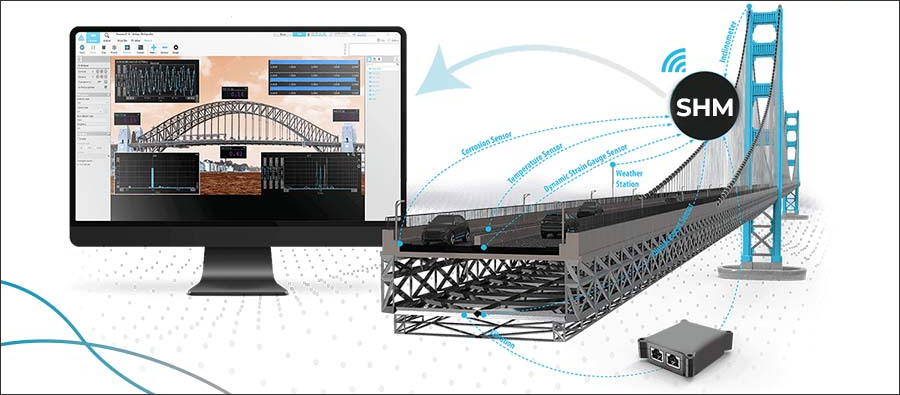
Modern infrastructure such as bridges, tunnels, dams, and high-rise buildings must withstand constant environmental stress, heavy usage, and aging materials. Traditional inspection methods often rely on manual assessments that may miss early warning signs of structural problems. Today, structural monitoring sensor Advancements Driving Predictive Infrastructure Maintenance are transforming how engineers monitor and maintain critical assets. These technologies enable real-time data collection and predictive analysis, allowing organizations to detect potential issues before they become serious failures.
The Evolution of Structural Monitoring Sensors
Structural monitoring sensors have evolved significantly over the past decade. Earlier systems were limited to basic measurements like strain or vibration and required manual data retrieval. However, recent Structural Monitoring Sensor Advancements Driving Predictive Infrastructure Maintenance now incorporate wireless communication, cloud integration, and artificial intelligence.
Modern sensors can measure a wide range of parameters including temperature changes, load stress, displacement, tilt, and vibration. By collecting continuous data, engineers can observe patterns that indicate structural fatigue or material degradation long before visible damage occurs.
How Predictive Infrastructure Maintenance Works
Predictive maintenance relies on data-driven insights gathered from sensors embedded in structures. These sensors continuously send data to centralized monitoring systems where advanced analytics process the information.
Through machine learning algorithms, engineers can identify abnormal patterns that suggest potential structural problems. The concept behind Structural Monitoring Sensor Advancements Driving Predictive Infrastructure Maintenance is to shift from reactive repairs to proactive maintenance. Instead of waiting for cracks or failures to appear, infrastructure managers can address small issues early, saving time, cost, and resources.
Key Technologies Behind Sensor Advancements
Several technological innovations are accelerating the effectiveness of structural monitoring systems:
IoT Integration
Internet of Things (IoT) connectivity allows sensors to communicate with cloud-based platforms, enabling remote monitoring from anywhere in the world.
AI and Data Analytics
Artificial intelligence helps analyze large volumes of sensor data quickly, identifying patterns that human inspectors might overlook.
Wireless Sensor Networks
Wireless networks reduce installation complexity and make it easier to deploy sensors across large infrastructure projects such as bridges or dams.
Real-Time Alerts
Advanced systems can send automatic alerts when sensor readings exceed safety thresholds, enabling faster response times.
These innovations are essential components of Structural Monitoring Sensor Advancements Driving Predictive Infrastructure Maintenance, ensuring infrastructure managers receive accurate and timely insights.
Benefits for Infrastructure Safety and Longevity
Implementing advanced structural monitoring systems offers multiple benefits:
- Early detection of structural weaknesses
- Reduced maintenance costs through proactive repairs
- Increased safety for workers and the public
- Extended lifespan of infrastructure assets
- Improved decision-making using real-time data
By continuously monitoring the health of structures, organizations can prevent catastrophic failures and ensure long-term stability.
The Future of Predictive Infrastructure Monitoring
As sensor technology continues to evolve, predictive infrastructure maintenance will become even more precise and efficient. Emerging technologies such as digital twins, edge computing, and advanced machine learning models will further enhance monitoring capabilities.
In the coming years, Structural Monitoring Sensor Advancements Driving Predictive Infrastructure Maintenance will play a crucial role in building smarter, safer, and more resilient infrastructure systems worldwide. By integrating advanced sensors with predictive analytics, engineers can ensure that critical structures remain safe and operational for generations to come.
