


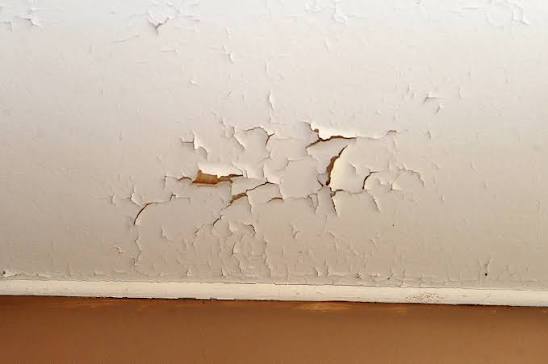
Plaster is a popular material used to create smooth, durable walls and ceilings. When properly mixed, applied, and allowed to dry, plaster can provide an attractive finish that lasts for many years. However, like any building material, plaster can develop problems due to poor application, moisture, movement, aging, or unsuitable surfaces.
Understanding the most common problems with plaster can help homeowners identify issues early and choose the right solution before minor damage becomes a major repair.
1. Cracks in Plaster
Cracking is one of the most common problems with plaster. Small hairline cracks can occur as plaster naturally dries and shrinks, while larger cracks may indicate movement in the building or problems with the underlying surface.
Common causes include:
- Natural drying and shrinkage
- Building movement or settlement
- Poor-quality plaster
- Incorrect plaster-to-water ratios
- Applying plaster too thickly
- Movement between different building materials
Small hairline cracks can sometimes be repaired with filler and repainting. However, wide, recurring, or structural-looking cracks should be investigated to determine their underlying cause.
2. Bubbling and Blistering
Bubbles or blisters can appear beneath the plaster surface, creating raised areas that may eventually break away.
Moisture is often responsible for this problem. Water entering through leaking pipes, roofs, windows, or external walls can become trapped behind the plaster. Poor surface preparation and incompatible paint systems can also contribute to blistering.
The affected area should be inspected for the source of moisture before repairing the plaster. Simply filling or painting over the bubbles without fixing the underlying problem can cause the damage to return.
3. Damp and Discoloured Plaster
Damp is another significant problem with plaster, particularly on external walls, around windows, and in bathrooms or other areas exposed to moisture.
Damp plaster may appear:
- Darker than surrounding areas
- Stained or discoloured
- Soft or powdery
- Peeling
- Covered with mould
Possible causes include penetrating damp, plumbing leaks, condensation, or rising damp.
The source of moisture must be addressed before replacing damaged plaster. Otherwise, new plaster may suffer the same problem.
4. Plaster Falling Away From the Wall
In some cases, sections of plaster can become loose and eventually fall away from the wall or ceiling.
This can happen when the plaster has poor adhesion to the underlying surface. Old plaster can also deteriorate over time, particularly when exposed to moisture or repeated movement.
Before repairing loose plaster, the damaged area should be carefully removed and the substrate checked. Any loose material should be eliminated so that the replacement plaster has a stable surface to bond to.
5. Uneven or Wavy Surfaces
A properly applied plaster finish should generally be smooth and even. However, poor application techniques can result in waves, ridges, hollows, or visible trowel marks.
Uneven plaster can be caused by:
- Inexperienced application
- Incorrect plaster consistency
- Poor surface preparation
- Working the plaster at the wrong stage of drying
- Applying inconsistent thicknesses
Minor imperfections can often be corrected with sanding or a thin finishing coat. More severe unevenness may require additional plastering.
6. Powdery or Friable Plaster
Sometimes plaster becomes soft, chalky, or powdery when touched. This is often referred to as friable plaster.
Potential causes include excessive moisture, poor-quality materials, an incorrect mixture, or deterioration caused by age.
If the surface is severely powdery, applying paint directly over it may result in poor adhesion and peeling. The affected surface should be assessed and properly prepared before decorating.
7. Peeling Paint Over Plaster
Although peeling paint is technically a decorating problem, it can be closely related to plaster problems.
Paint may peel when:
- The plaster was not completely dry before painting
- The surface was dusty or contaminated
- Moisture is present behind the plaster
- The wrong primer was used
- Multiple incompatible paint layers were applied
Removing loose paint and preparing the plaster correctly can help create a stronger surface for new paint.
8. Efflorescence and Salt Deposits
White, powdery marks appearing on plaster can be caused by salts carried to the surface by moisture. This is known as efflorescence.
It commonly occurs when water moves through masonry and evaporates at the surface, leaving dissolved salts behind.
Simply brushing away the deposits may provide a temporary cosmetic improvement, but the moisture source should be identified. Persistent moisture can continue to bring salts to the surface and damage the plaster.
9. Mould Growth
Mould can develop on plaster when there is persistent moisture and poor ventilation. Bathrooms, kitchens, basements, and poorly ventilated rooms can be particularly vulnerable.
Mould may appear as black, green, grey, or other coloured patches.
The solution involves more than cleaning the visible mould. The underlying moisture or ventilation problem should also be addressed. Severely contaminated or damaged plaster may need to be removed and replaced.
10. Plaster Shrinkage
Plaster can shrink while drying, particularly when it is mixed incorrectly or applied too thickly. Shrinkage can result in small cracks or changes in the surface level.
Using the correct mixing ratio, applying appropriate coat thicknesses, and allowing adequate drying time can reduce the risk of shrinkage-related problems.
How to Prevent Problems With Plaster
Many plaster problems can be prevented through proper preparation and installation. Important preventative measures include:
- Prepare the surface properly before applying plaster.
- Use appropriate plaster materials for the particular wall or ceiling.
- Follow the manufacturer’s mixing instructions.
- Avoid applying excessively thick coats.
- Allow sufficient drying time between coats and before decorating.
- Control moisture and condensation inside the property.
- Repair leaks promptly.
- Ensure adequate ventilation in bathrooms and kitchens.
- Inspect cracks and damp patches regularly.
- Use experienced professionals for large or complex plastering work.
When Should You Repair or Replace Plaster?
Not every plaster problem requires complete replacement. Minor hairline cracks, small surface imperfections, and limited areas of damage can often be repaired.
However, replacement may be more appropriate when plaster is:
- Severely cracked
- Detached from the substrate
- Continuously damp
- Heavily contaminated with mould
- Extremely powdery or deteriorated
- Falling from a ceiling or wall
If damage keeps returning after repairs, the underlying cause should be investigated rather than repeatedly treating the visible symptoms.
Final Thoughts
The most common problems with plaster include cracking, dampness, bubbling, peeling, mould, uneven surfaces, salt deposits, and loose or deteriorating plaster. While some problems are cosmetic, others can indicate moisture, structural movement, or poor installation.
Identifying the cause is the most important part of any plaster repair. Treating the underlying issue first and using appropriate repair techniques can help restore the surface and prevent the same problem from returning.
