


Introduction
The use of anabolic substances has increased in both professional and recreational fitness environments, often driven by the desire for rapid muscle gain and enhanced physical performance. One term that has surfaced in discussions around performance-enhancing drugs is Monster Steroids and Cardiovascular Complications, which highlights the serious health risks associated with misuse of powerful anabolic compounds.
While some users focus on aesthetic or athletic outcomes, the impact on long-term health—especially the heart and blood vessels—is often underestimated.
What Are Monster Steroids?
The phrase Monster Steroids and Cardiovascular Complications is commonly used to describe the relationship between high-potency anabolic steroid use and severe heart-related side effects. These substances are typically synthetic derivatives of testosterone designed to promote muscle growth, strength, and endurance.
However, when used in excessive doses or without medical supervision, they can disrupt the body’s natural hormonal balance and place significant strain on major organ systems.
How Steroids Affect the Cardiovascular System
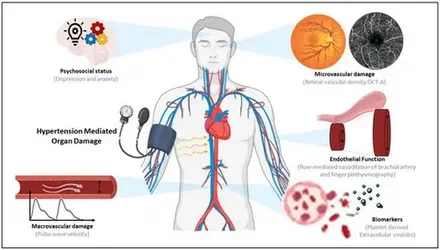
One of the most concerning issues linked to Monster Steroids and Cardiovascular Complications is their effect on the heart and blood vessels. Research and clinical observations show several harmful mechanisms:
1. Increased Blood Pressure
Steroid use can lead to fluid retention and changes in kidney function, both of which may elevate blood pressure over time.
2. Cholesterol Imbalance
Anabolic steroids often reduce HDL (good cholesterol) while increasing LDL (bad cholesterol), significantly raising the risk of arterial plaque buildup.
3. Heart Muscle Enlargement
Prolonged steroid use can cause left ventricular hypertrophy, a condition where the heart muscle becomes abnormally thick and less efficient at pumping blood.
Major Cardiovascular Complications
The term Monster Steroids and Cardiovascular Complications also refers to the serious medical outcomes that can develop from long-term misuse. These include:
Heart Attack and Stroke
Narrowed or blocked arteries increase the risk of life-threatening cardiovascular events even in relatively young users.
Arrhythmias
Steroids can disrupt the heart’s electrical system, leading to irregular heartbeat patterns that may be dangerous if untreated.
Heart Failure
Over time, the increased workload placed on the heart may lead to chronic heart failure, where the heart can no longer pump blood effectively.
Who Is at Risk?
Not everyone who uses anabolic substances experiences immediate harm, but the risk increases significantly with:
- High-dose or long-term use
- Combining multiple anabolic agents
- Lack of medical supervision
- Pre-existing cardiovascular conditions
The concerns highlighted in Monster Steroids and Cardiovascular Complications are especially relevant for individuals who use these substances purely for cosmetic or performance enhancement purposes without understanding the long-term risks.
Prevention and Health Awareness
Avoiding cardiovascular damage requires awareness and responsible decision-making. Medical professionals consistently emphasize:
- Regular cardiovascular screening for at-risk individuals
- Avoidance of non-prescribed anabolic steroids
- Education about long-term heart health consequences
Public health discussions around Monster Steroids and Cardiovascular Complications aim to reduce misuse and encourage safer approaches to fitness and body composition goals.
Conclusion
While anabolic steroids may offer short-term physical benefits, the long-term consequences can be severe and irreversible. The growing evidence behind Monster Steroids and Cardiovascular Complications highlights a clear warning: the heart is particularly vulnerable to steroid misuse.
Understanding these risks is essential for anyone considering or currently using performance-enhancing substances, as cardiovascular health is not easily regained once damaged.
