


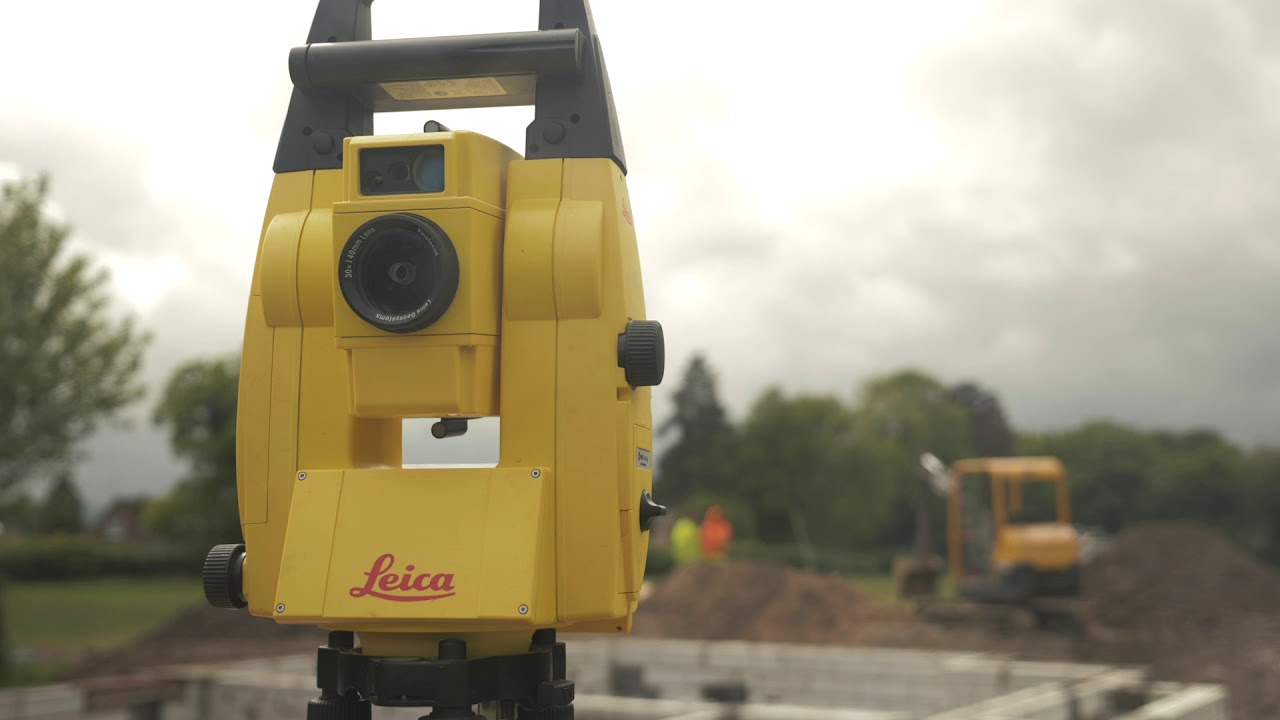
A modern surveying workflow increasingly relies on automation, precision, and speed. One of the most important tools enabling this shift is the robotic total station. These advanced instruments reduce manual effort, improve accuracy, and allow single-person operation in many field conditions. However, choosing the right model requires careful evaluation of its capabilities.
Understanding the Common Features to Look for in a Robotic Total Station helps surveyors, engineers, and construction professionals make informed decisions that directly impact productivity and measurement quality.
What Is a Robotic Total Station?
A robotic total station is a high-precision surveying instrument that combines electronic distance measurement (EDM), angle measurement, and automated tracking. Unlike traditional total stations, it can automatically follow a prism or target held by a single operator.
This automation reduces human error, speeds up data collection, and allows efficient surveying in large or complex job sites.
Before investing, it is essential to understand the Common Features to Look for in a Robotic Total Station so that the equipment aligns with project requirements.
High Tracking Accuracy and Target Recognition
One of the most important features to evaluate is tracking accuracy. A good robotic total station should be able to lock onto and follow a prism even in challenging environments such as:
- Busy construction sites
- Areas with moving machinery
- Low visibility conditions
Advanced prism tracking systems use infrared or laser-based technology to maintain a stable lock on the target.
When analyzing the Common Features to Look for in a Robotic Total Station, tracking performance should be a top priority because it directly affects measurement reliability and field efficiency.
Long Range Measurement Capability
Range is another critical factor. High-performance robotic total stations can measure distances over several kilometers depending on conditions and prism type.
Key considerations include:
- Maximum reflectorless range
- Prism-based measurement distance
- Accuracy consistency at long distances
Long-range capability is especially useful in large infrastructure projects such as highways, bridges, and industrial developments.
This makes range performance one of the essential Common Features to Look for in a Robotic Total Station for professionals working on expansive job sites.
Fast and Reliable Automation System
Automation is the defining feature of robotic total stations. The instrument should offer:
- Smooth motorized movement
- Quick target acquisition
- Automatic re-locking if the target is lost
A responsive automation system reduces downtime and allows a single surveyor to complete tasks that previously required a team.
When reviewing the Common Features to Look for in a Robotic Total Station, automation speed and reliability are crucial because they directly influence productivity.
User-Friendly Interface and Software Integration
Modern robotic total stations come with advanced onboard software and intuitive interfaces. A good system should offer:
- Touchscreen controls
- Simple menu navigation
- Data storage and export options
- Compatibility with CAD and GIS software
Seamless integration with field and office software ensures smooth workflow from data collection to final reporting.
Ease of use is often overlooked, but it remains one of the key Common Features to Look for in a Robotic Total Station, especially for teams with varying levels of technical expertise.
High Precision and Angular Accuracy
Accuracy is the foundation of surveying. Robotic total stations are typically rated by:
- Angular accuracy (seconds of arc)
- Distance measurement accuracy (millimeters)
High-end models can achieve extremely fine precision, making them suitable for engineering-grade tasks such as structural alignment and deformation monitoring.
Professionals should always evaluate accuracy specifications carefully because it is one of the most critical Common Features to Look for in a Robotic Total Station for ensuring project reliability.
Battery Life and Power Efficiency
Fieldwork often takes place in remote or long-duration environments, making battery performance essential. A strong robotic total station should offer:
- Extended battery life (8–12 hours or more)
- Fast charging capability
- Power-saving modes during inactivity
Reliable power systems ensure uninterrupted surveying without frequent downtime for charging or battery replacement.
This is another practical yet important aspect of the Common Features to Look for in a Robotic Total Station, especially for large-scale projects.
Durability and Environmental Resistance
Surveying equipment must withstand harsh conditions such as dust, rain, heat, and vibration. Look for:
- IP-rated water and dust resistance
- Shock-resistant housing
- Temperature tolerance for extreme climates
A rugged build ensures long-term reliability and reduces maintenance costs.
Durability is a non-negotiable factor among the Common Features to Look for in a Robotic Total Station, particularly for outdoor and construction-heavy environments.
Data Connectivity and Wireless Communication
Modern surveying workflows depend heavily on data transfer. Advanced robotic total stations offer:
- Bluetooth connectivity
- Wi-Fi integration
- USB and cloud data transfer options
These features allow real-time data sharing between field teams and office software, improving collaboration and reducing errors.
Connectivity is one of the increasingly important Common Features to Look for in a Robotic Total Station as digital workflows become the industry standard.
Conclusion
Robotic total stations have transformed modern surveying by improving accuracy, efficiency, and ease of use. However, selecting the right instrument requires more than just brand recognition or price comparison.
By carefully evaluating the Common Features to Look for in a Robotic Total Station, including accuracy, automation, durability, connectivity, and software compatibility, professionals can ensure they invest in equipment that meets both current and future project demands.
A well-chosen robotic total station not only improves field productivity but also enhances the overall quality of surveying outcomes.
