


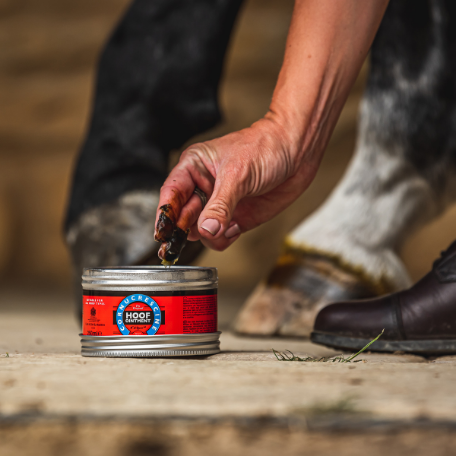
The relationship between a horse and its caretaker is built on trust, precision, and deep anatomical knowledge.
When evaluating equine specialists, understanding what elevates a standard practitioner to an elite craftsman requires looking closely at daily practice, patience, and specialized equipment.
Equine hoof care is a blend of veterinary science, metallurgy, and physical endurance that directly influences an animal’s mobility and overall health.
Anatomical Mastery and Diagnostic Skill
An exceptional practitioner approaches every animal as a unique biomechanical puzzle. Rather than applying a generic template to every hoof, a skilled professional assesses gait, conformation, and environmental stress factors before touching a rasp.
- Gait Analysis: Observing the animal in motion across various surfaces to identify subtle lameness or uneven weight distribution.
- Internal Structure Assessment: Evaluating digital pulses, horn quality, and sole depth to prevent long-term structural degradation.
- Environmental Adaptation: Adjusting shoeing angles based on whether the animal works on hard rocky terrain, soft pasture, or high-impact arena footing.
According to guidelines published by the Agriculture Victoria Equine Management portal, regular hoof maintenance is critical for preventing common systemic conditions and ensuring animal welfare across rural and urban holdings.
Precision Instrument Mastery
Executing complex trims and custom shoe shaping demands absolute mastery over professional farrier tools.
Every instrument, from the nippers to the driving hammer, must be handled with calibrated control to avoid sensitive internal structures.
Maintaining sharp edges and balanced weighting on every piece of equipment ensures cleaner cuts and faster execution, reducing stress for both the animal and the practitioner during lengthy sessions.
Patience and Behavioral Management
Working underneath a thousand-pound animal requires immense psychological fortitude and stockmanship.
Animals can become restless, anxious, or reactive during lengthy shoeing procedures, particularly if they are recovering from previous injuries or unfamiliar with handling.
Top-tier professionals read body language instantly, maintaining a calm, authoritative yet gentle demeanor.
They know when to pause, how to soothe a nervous youngster, and how to position their own bodies safely to prevent career-ending injuries from sudden kicks or shifts in weight.
Continuous Education and Collaboration
Equine science never stands still. Metallurgy advances, new synthetic shoeing materials emerge, and veterinary diagnostics evolve continuously.
Dedicated craftsmen regularly attend international symposiums and collaborate closely with equine veterinarians to manage complex therapeutic cases involving laminitis or navicular syndrome.
For a visual demonstration of advanced shoeing techniques and forge work in action, you can view this Equine Hoof Care Masterclass highlighting precision shaping methods.
Physical Endurance and Craftsmanship
Beyond technical knowledge, the profession demands exceptional physical stamina. Spending hours bent in awkward postures under heavy loads tests endurance daily.
The finest practitioners combine physical conditioning with ergonomic workspace setups, ensuring their craftsmanship remains uncompromised from the first appointment of the morning to the last.
