


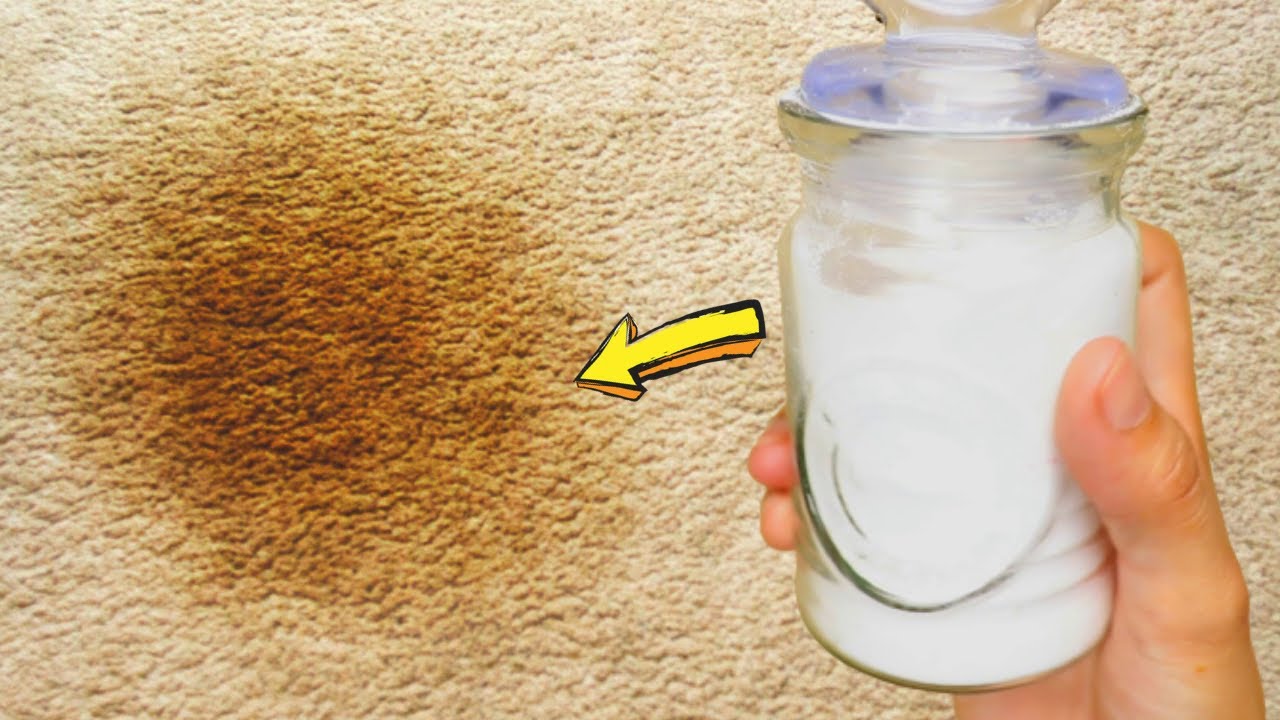
The impact on home comfort and ambience caused by pet waste on carpets is significant. Several substances, including urine, faeces, and in some cases, diarrhea, contribute to this problem.
These stains not only alter the carpet’s visual appeal, but also release unpleasant odours that can affect one’s wellbeing. By following environmentally friendly cleaning methods you can avoid these issues while prioritising animal care and aligning with eco-friendly practices.
Try adopting the following effective strategies for dealing with stained carpets to achieve the desired outcome through these simple and straightforward steps.
Types of Pet Stains and Their Effects
Pet stains come from fluids such as urine, faeces, and vomit, each leaves unsightly marks on carpets. Urine can penetrate deeply and leave unpleasant odours and difficult-to-remove stains, often prompting pets to repeat their behaviour.
On the other hand, faeces not only cause stains, but also potentially harbour harmful bacteria and require immediate attention. Vomiting, due to its acidic nature, can cause irreversible colour change and damage to the carpet over time.
The Importance of Quick Action
Prompt reaction to these stains is crucial for preventing cumulative damage or persistent odours. Failing to address them can lead to long-term modifications in the carpet’s colour or texture, necessitating replacement.
Identifying the causal factor behind the stain enables you to select the most effective cleaning strategy.
Choosing the Right Solution
Once you determine the source of the stain, you can select a suitable cleaner to tackle it. Different types of marks require customised solutions to ensure thorough removal and restoration of carpet freshness.
Effective spotting and addressing each type of stain contributes to long-term carpet sustainability.
Why Choose All-Natural Solutions
Selecting eco-friendly methods to tackle pet mishaps is a sensible choice that is safe for your home and the planet. Unlike store-bought cleaners that are filled with harmful substances, natural cleaners do not contain chemicals that could irritate your skin or lungs.
Standard cleaners can leave residual particles that are unsafe for pets or children who often spend more time near the ground.
Substances like sodium bicarbonate are equally effective in achieving a gleaming space while being remarkably gentle. These all-natural cleansers help maintain your living quarters free of harsh chemicals.
Moreover, these cost-effective options are often more affordable and easy to find at home, thereby allowing you to save both time and resources by disregarding the need for special products.
Adhering to an all-natural regimen not only benefits domestic maintenance, but also reduces your carbon footprint, a crucial consideration now more than ever.
Common Natural Ingredients
Start by utilising baking soda. This powder’s capacity to absorb liquids counterbalances unpleasant odours, effectively eliminating discolouration.
To yield optimal results, sprinkle baking soda over the affected area, allow it to remain for a sufficient duration, and then meticulously vacuum the carpet surface.
You can also use vinegar, which effortlessly dissipates tough stains and eradicates unwelcome odours. Blend equal parts of this natural cleaner and water, and then apply the solution to the area. Using a clean cloth, gently dab the mark away with a clean cloth.
The natural acidity of lemon juice is excellent for eliminating persistent blemishes from various surfaces. You can easily use it either in its pure form or by mixing it with water.
Once the juice is applied, be sure to securely blot any excess moisture, allowing the space to be infused with a fresh and uplifting aroma.
Cornstarch offers an effective, eco-friendly method for addressing pet stains by absorbing moisture quickly.
Combining essential oils with water and vinegar creates a natural cleaning solution that removes stains, eliminates odours, and fights germs while remaining safe for household use.
Crafting Your Personalised Cleaning Solutions
Utilising household items to facilitate cleaning can be a cost-effective approach while remaining remarkably effective. An efficient method for tackling difficult stains involves combining equal proportions of white vinegar and water. Then, store the mixture in a spray container.
This dilution excels in eradicating unwelcome aromas and properly detoxifying the affected areas, making it an ideal formula for eradicating urine and vomit stains.
When applying a cleaner, gently blot the area with a clean cloth, avoiding vigorous scrubbing to prevent spreading the stain.
Should these blemishes persist, you could use a small amount of dish soap to increase its potency.
For best results, use a repeated cycle of soaking the cloth in the cleaning mixture and reapplying as needed until the stain lifts. You can also add a touch of freshly squeezed citrus juice, like lemon, to help neutralise strong odours.
Step-by-Step Cleaning Process
Here is a simple guide to tackling your furry companion’s messes effectively while keeping things sustainable and safe.
Preparing and Treating the Carpet
Start by removing any solid residue using a paper towel or spatula, being cautious not to drive the material deeper into the carpet. Next, use a dry cloth to absorb as much liquid as possible. This prevents the stain from spreading.
Assessment and Application of the Cleaning Solution
Before proceeding, test the natural solution on a concealed section of the carpet. For example, you can combine equal quantities of white vinegar and water in a spray bottle. Next, spray a small amount on an inconspicuous area to ensure the carpet’s colour will not be compromised.
If you observe no damage, spray the cleaner on the stain and gently blot with a clean cloth. Vinegar is known for effectively removing marks and unpleasant odours without any added artificial products.
Thorough Rinsing and Drying of the Carpet
After addressing the area, remove any remaining cleaner by rinsing the area with clean water. Use a damp cloth to gently work over the area until no residue remains.
Finally, blot the spot with a dry towel to remove excess moisture and allow the carpet to air-dry fully, avoiding any lingering dampness that could lead to mould or mildew.
When to Seek Professional Cleaners
Understanding when to utilise professional garment restoration services is imperative for preserving the appearance and longevity of your carpets. Natural substances offer an effective and environmentally responsible approach to cleaning pet-related carpet stains.
However, if you want more comprehensive carpet maintenance, homeowners can utilise these natural methods or consult a seasoned carpet cleaning company. This is to ensure optimal results and a healthier home environment.
They make use of advanced technology and refined cleaning techniques to successfully address intricate issues, restoring the carpet’s original texture and appearance. They can detect subtle concealed problems, such as mildew or mould, which can be difficult to identify initially.
Conclusion
Using natural substances for removing pet messes on carpets is effective and environmentally friendly. Sodium bicarbonate and cornstarch, for instance, can freshen up your carpet without harsh chemicals, creating a healthier home environment.
Consider implementing these techniques while also understanding your pet’s habits and maintaining regular cleaning.
For those with limited time or challenging stains, consulting a carpet cleaning company remains an excellent alternative to manage rug maintenance effectively.
