


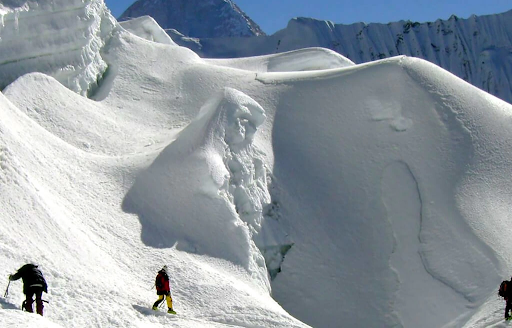
lobuche peak climbing, standing tall at 6,119 meters (20,075 feet) in the Everest region of Nepal, is one of the most iconic trekking peaks in the Himalayas. Known for its challenging terrain and breathtaking panoramic views, Lobuche Peak offers adventurers a perfect introduction to high-altitude mountaineering. Unlike the technically demanding 8,000-meter peaks, Lobuche Peak is classified as a trekking peak, making it accessible to climbers with moderate experience who are well-prepared and physically fit.
Why Lobuche Peak is a Must-Climb Destination
Lobuche Peak’s popularity stems from its unique combination of adventure, scenery, and accessibility. The peak is located near the Everest Base Camp trail, providing climbers with spectacular views of Mount Everest, Lhotse, Nuptse, Ama Dablam, and Cho Oyu. The ascent involves a mix of rock, ice, and snow climbing, giving adventurers a genuine mountaineering experience without extreme technical difficulty.
Another reason for its appeal is the cultural journey along the Khumbu region. Trekkers pass through traditional Sherpa villages, ancient monasteries, and bustling hubs like Namche Bazaar and Dingboche, offering an enriching cultural experience alongside the physical challenge.
Best Time for Lobuche Peak Climbing
Timing plays a crucial role in a safe and successful climb. The best seasons to attempt Lobuche Peak are:
- Spring (March to May): Offers stable weather, moderate temperatures, and blooming rhododendrons along the trekking trail. Snow conditions are usually optimal for climbing.
- Autumn (September to November): After the monsoon, the skies are clear, providing excellent mountain views and stable climbing conditions. This is the most popular season for climbers.
Climbing during winter or monsoon is not recommended due to extreme cold, avalanche risks, and unstable snow conditions.
Preparation and Training
Although Lobuche Peak is categorized as a trekking peak, physical fitness, endurance, and some technical skills are essential. Recommended preparation includes:
- Cardiovascular Training: Activities like running, hiking, and cycling improve stamina for long trekking days.
- Strength Training: Focus on leg muscles, core stability, and overall endurance to handle heavy backpacks and steep ascents.
- Technical Skills: Familiarity with ice axes, crampons, and rope techniques is crucial. Many climbing agencies provide pre-expedition training sessions for beginners.
Mental resilience is also vital. High-altitude climbs challenge focus, decision-making, and the ability to stay calm under pressure.
Permits and Regulations
Climbing Lobuche Peak requires official permits issued by the Nepal Mountaineering Association (NMA):
- Climbing Permit: The NMA climbing permit costs approximately $250–$350 per person.
- Trekkers’ Information Management System (TIMS) Card: Mandatory for trekking in the Everest region.
- Local Liaison Officer Fees: Some expeditions include additional fees for government officers accompanying the team.
It is recommended to arrange permits through a registered trekking and mountaineering agency, as solo climbing is not permitted for safety reasons.
Typical Itinerary for Lobuche Peak Climbing
A standard Lobuche Peak expedition typically lasts 12–16 days, allowing for proper acclimatization and a safe summit attempt. A typical itinerary includes:
- Arrival in Kathmandu: Gear check, final preparation, and briefing.
- Flight to Lukla: The starting point of the trek through the Khumbu region.
- Trek to Namche Bazaar and Dingboche: Gradual acclimatization and cultural immersion.
- Base Camp and Advanced Base Camp: Final preparation, gear checks, and practice climbs.
- Summit Push: Usually starts early in the morning to avoid afternoon snowstorms.
- Descent: Return trek to Lukla and flight back to Kathmandu.
Proper acclimatization is crucial to prevent altitude sickness, which can affect even experienced climbers.
The Climbing Experience
Lobuche Peak provides a mix of adventure, technical climbing, and stunning views:
- Glacial Terrain: Climbers traverse the Lobuche Glacier, navigating crevasses and icy slopes.
- Snow and Ice Slopes: The upper sections involve steep snow climbs, requiring crampons, ice axes, and rope skills.
- Summit Views: Reaching the summit rewards climbers with breathtaking vistas of Everest, Lhotse, Nuptse, and Ama Dablam, creating a truly unforgettable Himalayan panorama.
The climb is not just a physical challenge but also a journey through some of the most spectacular landscapes in the world.
Safety Tips for Lobuche Peak Climbing
Safety is paramount during high-altitude expeditions. Key tips include:
- Acclimatization: Follow the principle of “climb high, sleep low” to reduce the risk of altitude sickness.
- Weather Awareness: Summit attempts should be carefully timed; afternoon snowstorms are common.
- Guided Expeditions: Experienced Sherpa guides increase safety and the likelihood of a successful climb.
- Emergency Preparedness: Carry a personal first-aid kit, oxygen if needed, and communication devices.
- Hydration and Nutrition: Drink plenty of fluids and eat high-energy foods to maintain strength and stamina.
Equipment Checklist
Climbers should be equipped with a combination of trekking and mountaineering gear:
- Mountaineering boots and crampons
- Ice axe, harness, and helmet
- Rope and carabiners
- Insulated clothing and down jacket
- Trekking poles and gloves
- Sunglasses, sunscreen, and lip balm
- Sleeping bag and high-altitude tent (for base camp)
Personal comfort and proper fitting of gear are essential for safety and efficiency on the climb.
Environmental Responsibility
Lobuche Peak is located within Sagarmatha National Park, a UNESCO World Heritage Site. Climbers should adhere to Leave No Trace principles:
- Carry back all waste and avoid littering.
- Respect local wildlife and communities.
- Minimize use of single-use plastics.
- Use eco-friendly stoves and energy-efficient practices at base camp.
Responsible climbing ensures that the pristine beauty of the Himalayas is preserved for future generations.
Conclusion
Lobuche Peak climbing offers a perfect balance of adventure, challenge, and breathtaking scenery in the heart of the Himalayas. With proper preparation, physical fitness, and respect for the mountain environment, climbers can safely summit and experience one of the most iconic vistas in the world. Beyond the physical accomplishment, Lobuche Peak offers a journey through rich Sherpa culture, majestic glaciers, and towering Himalayan peaks, making it a truly transformative adventure.
For those seeking a Himalayan climbing experience that is challenging yet accessible, Lobuche Peak is more than a climb—it’s an unforgettable journey into the heart of Nepal’s high mountains.
CONTACT US;
COMPANY NAME; Nepal Pioneer Treks and Expedition Pvt. Ltd.
ADDRESS; Thamel, Kathmandu 44600, Nepal
EMAIL; [email protected]
WHATSAPP NO; +977 9841159744 (Binod)
