


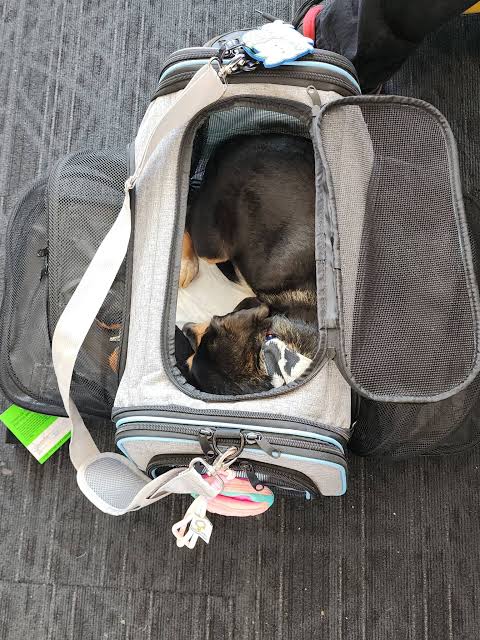
Sending a young puppy on a flight without the breeder, owner, or receiving family onboard can feel overwhelming. Even after someone books the flight, several important questions remain. Who will collect the puppy? Where will the airline release the puppy? What documents will the cargo team request? What happens if the flight arrives late?
A safe and organized arrival requires more than sharing a flight number. The sender, veterinarian, airline, authorized pickup person, transportation provider, and final recipient must understand their roles. Professional air cargo pet transportation in Seattle can help bridge the gap between the puppy’s arrival at Seattle-Tacoma International Airport and the final handoff.
Careful planning creates a clear chain of responsibility and helps prevent avoidable confusion during the puppy’s journey.
First, Confirm How the Puppy Will Travel
The puppy’s travel method determines where the journey begins, where it ends, and who can collect the animal.
Common arrangements include:
- Airline cargo travel
- Checked-animal travel when an airline permits it
- In-cabin travel with a flight nanny
- Ground transportation after an airport arrival
- A combination of air and ground transportation
An unaccompanied puppy traveling as cargo will typically follow a different process from a pet traveling with a passenger. The puppy may arrive at an airline-operated cargo facility rather than the passenger terminal or baggage claim.
Do not assume that every airline offers the same service. Airlines can apply different age limits, crate requirements, breed restrictions, weather rules, health-document standards, and operating schedules. Some carriers may not accept unaccompanied animals on certain routes or during particular weather conditions.
The sender should confirm the puppy’s travel classification and release process directly with the airline before arranging airport pickup.
Build a Clear Chain of Responsibility
A puppy’s arrival involves several transfers of responsibility. Every person should know when their role begins and ends.
The arrival chain may include:
- The sender or breeder: Prepares the puppy, crate, itinerary, care instructions, and shipping information.
- The veterinarian: Completes any required health examination and travel documentation.
- The airline: Accepts and transports the puppy according to its current animal-travel policies.
- The authorized pickup person: Presents the required identification and documents at the cargo facility.
- The transportation or temporary care provider: Moves the puppy securely and follows the supplied care instructions.
- The final recipient: Confirms the handoff and accepts responsibility for the puppy.
Each transfer should include direct communication. The sender should not assume that the airline automatically shares every instruction with the pickup provider. Likewise, the pickup provider should not rely on the final recipient to resolve missing documents after the puppy lands.
A written itinerary with names, phone numbers, addresses, and handoff responsibilities can keep everyone aligned.
Decide Who Will Pick Up the Puppy at SeaTac
Several people may collect a puppy after arrival, depending on the airline’s rules and the family’s plans. The pickup person might be:
- The new owner
- A relative or trusted representative
- A professional airport cargo pickup provider
- A puppy travel concierge in Seattle
- A flight nanny continuing the puppy’s journey
Before departure, confirm exactly whom the airline has authorized to collect the puppy. The cargo facility may request a government-issued photo ID, written authorization, the shipment or airway bill number, and matching recipient information.
A spelling mistake or last-minute substitution can complicate the release. If pickup responsibilities change, contact the airline and ask how to update the authorized recipient. Never assume that a text message from the owner will satisfy the cargo facility’s requirements.
Prepare the Required Documents Before Departure
Document preparation should begin well before travel day. The specific requirements may depend on the airline, route, puppy’s age, origin, destination, and transportation method.
Commonly requested information may include:
- The airway bill or shipment number
- A current veterinary health certificate
- Vaccination records when required
- Sender and recipient contact information
- Flight and cargo tracking details
- Written pickup authorization
- Feeding and medication instructions
- Emergency veterinary contact information
- Identification details for the authorized recipient
The sender should send clear, legible copies to the pickup provider before the puppy leaves the departure airport. Everyone should also know who holds the original documents and whether the airline keeps any documents with the shipment.
Owners must confirm current requirements directly with the airline and veterinarian. A document that worked for a previous trip may not satisfy the rules for a different airline, route, or travel date.
What Is an Airway Bill for Puppy Travel?
An airway bill serves as the shipment record for cargo transportation. It usually contains information that helps the airline identify, route, track, and release the shipment.
For puppy travel, the cargo facility may use the airway bill number to locate the reservation and confirm release details. The sender should provide a readable copy or accurate number to the person collecting the puppy before departure.
Everyone should check the following details:
- Sender’s name and contact information
- Recipient’s name and contact information
- Origin and destination
- Flight or routing information
- Shipment or tracking number
- Special handling information, if included
Incorrect information can delay the puppy cargo arrival or prevent the cargo team from releasing the puppy to the intended person.
Confirm the Exact Cargo Pickup Location
A major source of confusion involves the pickup location. Someone unfamiliar with cargo travel may drive to the passenger terminal and expect the puppy to appear near baggage claim.
Airlines may operate from separate cargo buildings, each with its own address, entrance, hours, parking arrangements, and release procedure. The correct facility may sit away from the main terminal.
Before the flight leaves, confirm:
- The airline cargo facility’s complete address
- Its operating hours
- Where the pickup person should park
- Which entrance handles animal releases
- The identification and documents required
- When the puppy will become available after landing
- The cargo facility’s direct phone number
The pickup person should receive this information in writing. Professional puppy airport pickup at SeaTac should include confirmation of the correct facility rather than relying solely on the airport name.
Create a Communication Plan for Travel Day
Clear communication can prevent small changes from becoming major problems. Assign one person to monitor each stage instead of assuming everyone else will do it.
The plan should cover:
- Flight departure
- Flight arrival
- Cargo tracking updates
- Weather restrictions
- Schedule or routing changes
- Cargo release readiness
- Successful pickup
- Arrival at temporary care
- Final delivery or handoff
All parties should exchange direct phone numbers. Email works well for sending documents, but a phone call or text often works better when a flight changes unexpectedly.
The sender should notify the pickup provider when the airline accepts the puppy. The provider should confirm arrival at the correct cargo location and notify the sender and recipient as soon as the puppy enters their care.
Plan for Delays Before They Happen
Even a carefully planned itinerary can change. Weather, aircraft schedules, operational issues, missing paperwork, cargo-office delays, or missed connections may affect the arrival.
Create a backup plan for situations such as:
- The flight departs late.
- The airline changes the flight number.
- The puppy arrives after the cargo office’s expected hours.
- The receiving family cannot reach the handoff location.
- The cargo facility requests additional authorization.
- A connecting flight becomes unavailable.
- The puppy needs temporary overnight care.
The backup plan might include revised pickup authorization, temporary boarding, updated feeding instructions, an alternate contact, or a new transportation arrangement.
Avoid booking a tight final handoff immediately after the scheduled landing time. Cargo teams may need time to transfer and process the puppy before release.
What Should Happen Immediately After Pickup?
The first few minutes after release should remain calm and controlled. Air travel can expose a puppy to unfamiliar sounds, movement, handling, and surroundings.
The pickup person should:
- Confirm the puppy’s identity against the travel information
- Observe the puppy for visible signs of distress
- Secure the crate safely inside the vehicle
- Follow the sender’s hydration and feeding instructions
- Provide an appropriate bathroom opportunity in a secure area
- Keep the environment quiet and temperature-controlled
- Avoid overwhelming greetings or immediate group play
- Update the sender and final recipient
- Contact a veterinarian if the puppy shows concerning symptoms
The pickup provider should not improvise medical treatment or feeding quantities. Written instructions from the owner, breeder, and veterinarian should guide routine care.
When a Puppy Travel Concierge in Seattle May Help
A puppy travel concierge in Seattle can support the journey when the receiving family cannot complete every step personally.
Concierge assistance may help when:
- The owner cannot reach SeaTac at the scheduled arrival time.
- The breeder lives outside Washington.
- The puppy has an extended layover.
- The receiving family’s flight arrives later.
- The puppy needs supervised temporary care.
- The puppy must return to cargo for another flight.
- A flight nanny will continue the journey.
- The final destination requires ground transportation.
Before booking, ask what the service actually includes. Some providers may offer cargo pickup only, while others coordinate transportation, boarding, documentation, flight-nanny handoffs, or onward travel.
Temporary Care Between the Airport and Final Handoff
A recently traveled puppy may need quiet decompression rather than immediate activity. If the puppy cannot go directly to the final recipient, evaluate temporary care carefully.
Consider whether the provider offers:
- Reasonable access to SeaTac cargo facilities
- Experience caring for young puppies
- Clean and secure transportation
- Controlled, sanitary accommodations
- Separation from unsuitable group activity
- Care based on written feeding and medication instructions
- Clear arrival and departure records
- Direct communication with the owner or breeder
- Emergency procedures
- A documented final handoff process
Ask whether staff will keep the puppy in its travel crate, move it to another enclosure, or introduce it to other animals. The provider should explain each step clearly.
How Air Cargo Pet Transportation in Seattle Supports a Safer Handoff
Qualified air cargo pet transportation in Seattle can support a safer and more organized transfer by managing the period between cargo release and final delivery.
Depending on the service agreement, a provider may coordinate:
- Pickup from the correct airline cargo facility
- Authorization and document checks
- Secure transportation from SeaTac
- Communication with the sender and recipient
- Temporary supervised care
- Return to cargo for a connecting flight
- Transfer to a flight nanny
- Final delivery or in-person handoff
No transportation provider can promise a disruption-free journey. However, an experienced provider should explain its procedures, communicate changes promptly, and maintain a clear chain of custody.
Warning Signs of Poorly Coordinated Puppy Transportation
Pause the arrangements if:
- No one has verified the cargo pickup address.
- The designated person lacks written authorization.
- Required documents remain incomplete.
- Names differ across the reservation and identification.
- The provider cannot describe its pickup and handoff procedure.
- No backup plan covers delays.
- Feeding or medication instructions remain unclear.
- The final recipient cannot be reached.
- The provider avoids questions about temporary accommodations.
- Someone guarantees that delays or complications cannot happen.
A trustworthy provider should acknowledge that travel plans can change and explain how it handles those changes.
Final 24-Hour Arrival Checklist
During the final day before departure:
- Confirm that the flight remains scheduled.
- Verify the airline cargo facility and pickup address.
- Check the facility’s operating hours.
- Send the airway bill and health documents.
- Confirm the authorized recipient’s full legal name.
- Recheck the airline’s release requirements.
- Share written feeding, medication, and care instructions.
- Confirm the temporary-care or final handoff location.
- Exchange direct phone numbers.
- Establish emergency contacts.
- Ensure every party has the same itinerary.
- Request confirmation after pickup and final delivery.
Protect the Puppy at Every Transfer Point
A successful puppy arrival depends on preparation at every stage. The sender, veterinarian, airline, pickup provider, temporary caregiver, and final recipient should understand exactly when responsibility changes hands.
Confirm the travel method, prepare the documents, verify the correct cargo location, authorize the pickup person, and create a backup plan before departure. Always check current airline and veterinary requirements because policies can vary and change.
When the receiving family cannot personally collect the puppy, experienced air cargo pet transportation in Seattle can provide an organized connection between airline cargo, temporary care, and the final handoff.
