


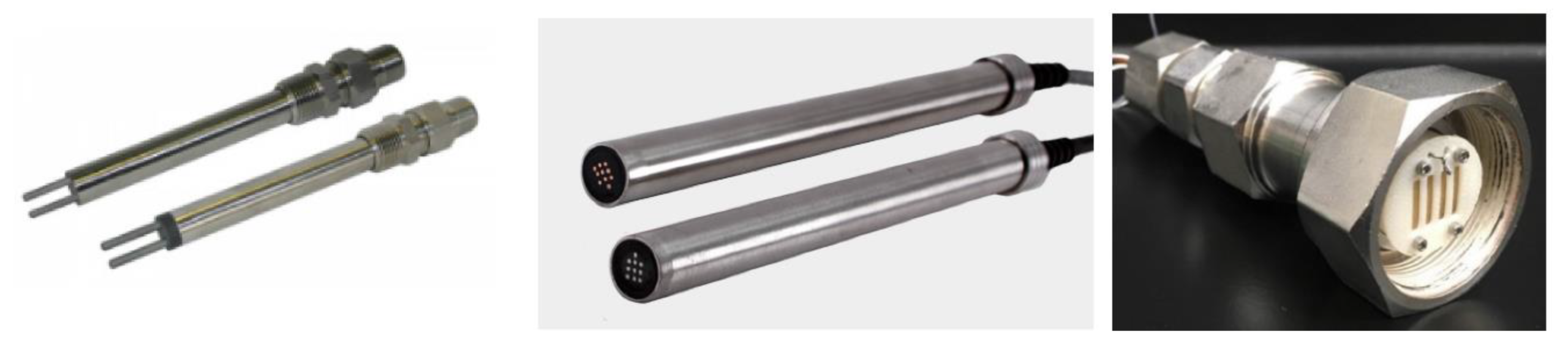
Modern infrastructure such as bridges, skyscrapers, tunnels, and dams must remain safe and reliable for decades. However, constant exposure to environmental stress, heavy loads, and aging materials can lead to structural damage over time. This is where The Role of structural monitoring sensor Systems in Preventing Structural Failures becomes extremely important. These advanced systems help engineers monitor structural health in real time, detect early signs of damage, and prevent catastrophic failures.
Understanding Structural Monitoring Sensor Systems
Structural monitoring sensor systems are advanced technologies designed to track the condition of buildings and infrastructure. They collect data related to stress, vibration, temperature, displacement, and other structural factors.
Sensors are strategically placed on critical parts of a structure such as beams, columns, foundations, and joints. These sensors continuously send data to monitoring platforms where engineers can analyze structural performance. Understanding The Role of Structural Monitoring Sensor Systems in Preventing Structural Failures allows infrastructure managers to identify problems long before they become dangerous.
Early Detection of Structural Problems
One of the biggest advantages of structural monitoring systems is their ability to detect early warning signs of damage. Small cracks, unusual vibrations, or gradual shifts in structural alignment may not be visible during routine inspections.
With real-time monitoring, sensors can immediately alert engineers when unusual patterns appear. This early detection plays a crucial part in The Role of Structural Monitoring Sensor Systems in Preventing Structural Failures, as it allows maintenance teams to address issues before they escalate into serious structural damage.
Enhancing Infrastructure Safety
Safety is the primary reason engineers implement monitoring systems in large structures. Bridges carrying heavy traffic, high-rise buildings in seismic zones, and dams under high pressure require constant supervision.
Structural monitoring sensors help ensure that these structures operate within safe limits. By analyzing data trends, engineers can assess whether a structure is experiencing stress beyond its design capacity. This demonstrates The Role of Structural Monitoring Sensor Systems in Preventing Structural Failures by maintaining safe operating conditions at all times.
Supporting Predictive Maintenance
Traditional maintenance methods rely on scheduled inspections that may overlook hidden structural issues. In contrast, sensor-based monitoring systems enable predictive maintenance.
Using real-time data, engineers can predict when a component is likely to fail and schedule maintenance before the failure occurs. Predictive maintenance reduces repair costs, extends the lifespan of infrastructure, and strengthens The Role of Structural Monitoring Sensor Systems in Preventing Structural Failures across modern engineering projects.
Applications Across Modern Infrastructure
Structural monitoring sensor systems are used in a wide range of infrastructure projects, including:
- Bridges and highways
- High-rise buildings
- Railways and tunnels
- Dams and water management systems
- Industrial facilities and power plants
These systems provide continuous insights into structural performance, helping engineers maintain stability and reliability.
The Future of Structural Monitoring Technology
As technology continues to evolve, structural monitoring systems are becoming more intelligent and efficient. Integration with wireless networks, cloud computing, and artificial intelligence allows engineers to analyze large volumes of structural data quickly.
In the future, smart cities will rely heavily on advanced monitoring technologies to maintain safe infrastructure. This highlights The Role of Structural Monitoring Sensor Systems in Preventing Structural Failures as a key component of modern engineering and urban development.
Conclusion
Infrastructure safety is critical for protecting lives, property, and economic stability. Structural monitoring sensor systems provide the tools needed to observe structural health continuously, detect early signs of damage, and support predictive maintenance strategies.
