


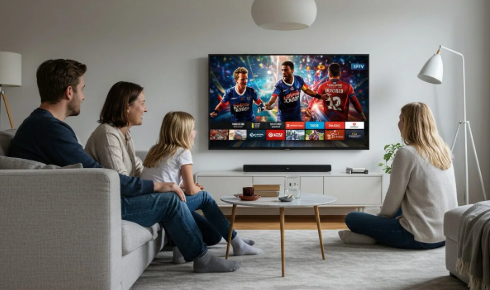
Television has evolved dramatically over the past two decades. From traditional cable and satellite broadcasting to online streaming platforms, viewers now expect more flexibility, better quality, and instant access to content. One of the technologies driving this transformation is the iptv service, which delivers television content through the internet rather than traditional broadcast methods.
An iptv service offers viewers access to live TV channels, on-demand movies, series, and other digital media through an internet connection. With its growing popularity worldwide, IPTV is becoming a preferred option for users who want convenience, affordability, and a wide variety of content in one place.
What Is an IPTV Service?
An iptv service (Internet Protocol Television) is a system that transmits television programming through internet protocols instead of traditional cable or satellite signals. This means that content is streamed directly through an internet connection to compatible devices such as smart TVs, smartphones, tablets, laptops, or streaming boxes.
Unlike traditional broadcasting, where all channels are delivered simultaneously, IPTV sends only the content the user requests. This allows for better efficiency, personalized viewing, and interactive features that enhance the overall experience.
How IPTV Service Works
The technology behind an iptv service is based on internet data transmission. Content is stored on servers and delivered to users through high-speed internet connections.
The basic process includes:
-
Content Acquisition – Television channels, movies, and shows are gathered from broadcasters or production companies.
-
Encoding and Storage – The content is converted into digital formats and stored on IPTV servers.
-
Streaming Delivery – When a user selects a program, the IPTV server sends the video stream directly to their device through the internet.
-
Playback – The content is decoded and displayed on the user’s screen in real time.
This system allows viewers to watch content instantly without needing traditional broadcasting infrastructure.
Types of IPTV Services
There are several formats through which an iptv service delivers content to users.
Live Television
Live IPTV allows viewers to watch television channels in real time, just like traditional cable or satellite TV. Sports events, news broadcasts, and live entertainment programs are commonly delivered through this format.
Video on Demand (VOD)
Video on Demand allows users to select and watch movies, series, and other content whenever they want. This flexibility is one of the most attractive features of an iptv service.
Time-Shifted Media
Time-shifted media enables viewers to watch previously aired programs at their convenience. This includes features like catch-up TV and replay options.
Benefits of Using an IPTV Service
The increasing popularity of iptv service platforms is largely due to the many benefits they provide to viewers.
Wide Content Variety
Users can access thousands of channels and on-demand content from different countries and genres.
Flexible Viewing
An iptv service allows viewers to watch content on multiple devices, including smartphones, tablets, and smart TVs.
Cost-Effective Entertainment
Compared to traditional cable subscriptions, many IPTV services offer more affordable packages with a broader range of channels.
High-Quality Streaming
Most IPTV providers offer HD and even 4K streaming, provided the user has a stable internet connection.
Interactive Features
Many IPTV platforms include features such as program recording, pause and rewind options, and personalized recommendations.
Devices Compatible with IPTV Services
One of the advantages of using an iptv service is its compatibility with a wide range of devices. Users can watch content on:
-
Smart TVs
-
Android TV boxes
-
Streaming devices
-
Smartphones and tablets
-
Personal computers and laptops
This flexibility allows viewers to enjoy their favorite shows anytime and anywhere.
Factors to Consider When Choosing an IPTV Service
Before subscribing to an iptv service, it is important to evaluate several factors to ensure a reliable viewing experience.
Internet Speed
A stable and high-speed internet connection is essential for smooth streaming without buffering.
Channel Availability
Different providers offer different channel packages, so users should choose a service that includes their preferred channels.
Streaming Quality
High-definition and 4K streaming support can greatly enhance the viewing experience.
Customer Support
Reliable customer service is important in case technical issues occur.
Device Compatibility
Ensure the iptv service works with the devices you plan to use for streaming.
The Future of IPTV Services
As internet speeds continue to improve and digital content consumption increases, the demand for iptv service platforms is expected to grow significantly. Innovations such as cloud-based streaming, artificial intelligence recommendations, and interactive content are likely to make IPTV even more appealing to viewers.
With the global shift toward internet-based entertainment, IPTV is positioned to become one of the dominant forms of television distribution in the coming years.
Conclusion
The television industry is undergoing a major transformation, and iptv service technology is at the center of this change. By delivering content through the internet, IPTV provides viewers with flexibility, convenience, and access to a vast library of entertainment options.
As more people move away from traditional broadcasting systems, IPTV services are set to play an increasingly important role in the future of digital entertainment.
